

The Rise of AI in UI/UX Design: Balancing Efficiency & Empathy
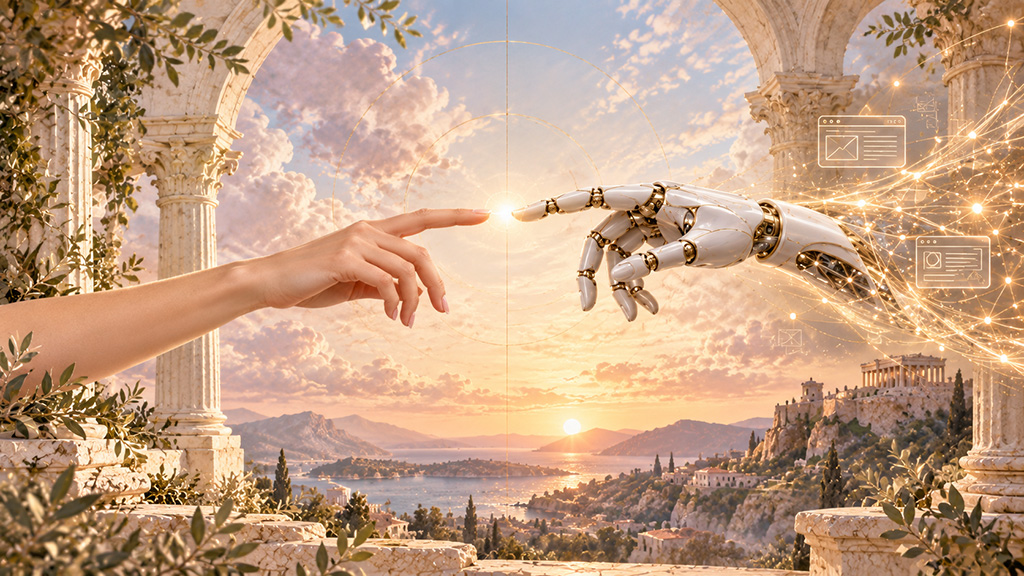
In the rapidly evolving landscape of digital products, the integration of artificial intelligence is fundamentally reshaping how we approach AI in UI/UX design.
As a senior product designer passionate about both structural innovation and usability, I have eagerly embraced the vast opportunities that intelligent design tools offer. However, we must carefully navigate the complex ethical challenges they present to human-centered design.
The Power of AI in UI/UX Design for Workflow Efficiency
Artificial intelligence is no longer just a futuristic concept; it is an active, daily participant in the modern designer’s toolkit. The presence of AI in UI/UX design has revolutionized traditional workflows, offering a suite of intelligent features that drastically reduce the time spent on repetitive, manual tasks.
According to recent research by the Nielsen Norman Group, utilizing AI tools can significantly boost a UX professional’s productivity. By automating the mundane aspects of our jobs, these advanced technologies empower architects to focus entirely on high-level strategy and creative problem-solving. Some of the most impactful AI applications in user experience design currently include:
- Automated Prototyping: Tools integrated within platforms like Figma can now generate foundational layouts and wireframes based on simple natural language prompts.
- Predictive User Testing: AI algorithms can simulate user journeys, predicting exactly where users might encounter visual friction before a product even launches.
- Dynamic Asset Generation: From generating scalable vector graphics to refining complex color palettes with generative AI, designers can iterate concepts at lightning speed.
By harnessing the power of artificial intelligence, I have been able to iterate faster, experimenting with bold new structural concepts to build more interactive and highly engaging user interfaces.
The Challenges: Algorithm Limitations and Ethical Concerns
However, to successfully integrate AI into UX design workflows, it is crucial to clearly acknowledge its inherent limitations. The sheer speed of generative AI is deeply impressive, but it fundamentally lacks the innate human touch, intuition, and empathy required to craft truly meaningful user experiences.
“AI can generate a beautiful interface in seconds, but it cannot sit across from a frustrated user and understand why a layout makes them feel anxious.”
Furthermore, the ethical concerns surrounding AI design tools cannot be ignored. Algorithmic bias is a massive hurdle in the industry. Because AI models are trained on existing internet data, they often replicate and amplify historical prejudices. If we blindly trust AI-generated mockups without rigorous usability testing and strict human oversight, we risk creating digital environments that are exclusionary. Ensuring accessibility and total inclusivity must always remain a designer-led initiative.
Finding the Balance: Defending Human-Centered Design
Despite these ethical challenges, I firmly believe that AI is an invaluable asset—provided it is used strictly as a collaborator rather than a replacement. The key to unlocking its massive potential lies in fiercely adhering to human-centered design principles.
Think of AI as a capable co-pilot. While machine learning can instantly analyze vast amounts of quantitative data and suggest successful A/B testing variations, the qualitative insights require a human mind. Understanding a user’s emotional state, context, and physical environment requires empathy. By blending the computational strength of AI in UI/UX design with the emotional intelligence of a professional product designer, we can produce innovative solutions that resonate deeply with diverse audiences.
The Future Outlook for Artificial Intelligence in User Experience
As we look forward, this new era presents a landscape filled with both unprecedented opportunities and incredibly complex responsibilities. The senior designers who will thrive in this environment are those who treat AI as a powerful tool for augmentation, not automation.
By actively embracing technological innovation, purposely mitigating algorithmic bias, and fiercely protecting the core tenets of empathy, we can harness the full potential of these tools. You can view how I balance complex logic with structural empathy by visiting my UX design portfolio.
Frequently Asked Questions
How is AI in UI/UX design changing the industry?
AI in UI/UX design is automating repetitive tasks like wireframing, asset generation, and predictive user testing. This allows human designers to focus more on complex problem-solving, empathy, and high-level structural logic.
Will artificial intelligence replace UX designers?
No. While AI tools are incredibly powerful for efficiency and data processing, they lack human empathy and context. Master designers are still required to interpret human emotion, mitigate algorithmic bias, and ensure digital products are accessible and ethical.